
We often start a renovation project with a vague idea, a photo saved on the phone, or a room that no longer functions in daily life. The transition from inspiration to concrete realization is where most home projects go off the rails. Misaligning the budget, neglecting regulations, or piling up desires without hierarchy turns a promising construction site into a source of frustration.
Multi-Year Renovation Plan in Co-Ownership: The Game-Changing Constraint
If you are renovating an apartment in a co-ownership, a regulatory change directly impacts your choices. Since January 1, 2025, co-owned buildings over 15 years old must have a multi-year renovation plan. This plan is based on the energy performance diagnosis and an analysis of the building to list the necessary interventions: preserving the building, ensuring occupant safety, and saving energy.
You may also like : Everything You Need to Know About the Westie: Personality, Training, and Tips for a Successful Adoption
In practice, you can no longer decide alone to insulate your facade or redo the exterior without checking what the plan provides. The renovations are prioritized over several years. A co-owner wishing to access the renovations on Oh Brico will find useful sheets to understand how to align their personal desires with collective obligations.
This imposed planning has a concrete advantage: it avoids unpleasant surprises in the general assembly. Feedback varies on this point, but in many co-ownerships, the plan has helped unlock insulation projects that had been stalled for years.
Further reading : Tips and Tricks for Successfully Renting Your Property with Peace of Mind
Renovation vs. New Purchase: The Calculation No One Clearly Poses
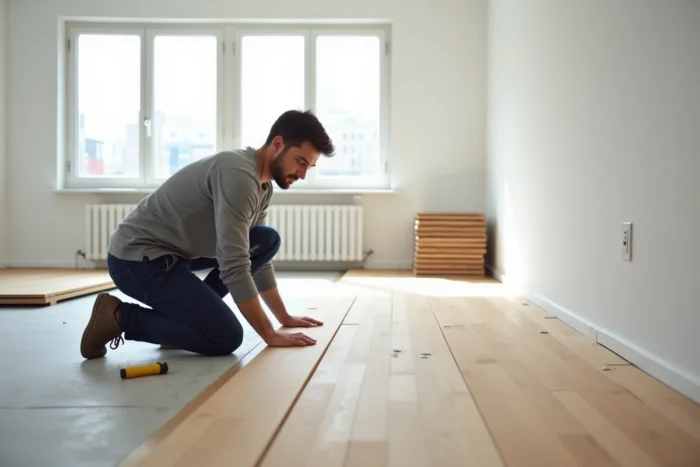
Before starting heavy renovations, one should always ask a direct question: does renovating cost less than buying a new home that meets our needs? The answer is not automatic.
The Jeanbrun tax scheme, applicable since February 2026, offers a depreciation mechanism to investors who purchase new properties in eligible programs. This type of advantage shifts the economic boundary between new and renovated old properties. Comparing the overall cost of renovation to the acquisition cost of a new property should be the first reflex, not the last.
For first-time buyers, the Zero Interest Loan remains a lever that can cover up to half of the total acquisition cost depending on the conditions. If your renovation project concerns a primary residence, this calculation can redirect your entire financing plan.
What We Forget in the Comparison
Renovation involves hidden costs that new properties do not have: electrical compliance, moisture treatment, structural issues discovered during the project. Conversely, new properties impose delivery times and often higher co-ownership charges in the first years.
The right arbitration depends on three variables:
- The actual condition of the existing building, assessed by a technical diagnosis (not just a simple visit)
- The amount of available aids for energy renovation in your geographical area
- The duration for which you plan to occupy the property, which amortizes or not the renovation investment
Prioritizing Home Renovations: The Ground Method
Piling up desires without a priority order is the classic trap. We want to redo the kitchen, insulate the attic, change the windows, and landscape the garden. The budget explodes even before the first swing of the hammer.
Classifying renovations into three levels helps maintain control. The first level concerns structure and safety: roofing, foundations, outdated electrical systems, plumbing. Without this, everything else is cosmetic. The second level covers energy performance: insulation, ventilation, joinery. The third groups comfort and aesthetics: interior design, decoration, finishes.
We only touch level three if the first two are addressed. This logic seems obvious, but we regularly see projects where the owner has invested in a high-end kitchen while the ventilation system has not worked for years. The result: mold behind the new furniture.
Ventilation and Humidity: The Invisible Issue
Ventilation is the poor cousin of renovation projects. We think insulation, we think windows, but a well-insulated house without adequate ventilation becomes a breeding ground for humidity. Condensation and mold problems appear in the months following the end of the project.

Before choosing an insulator or replacing joinery, we check the condition of the ventilation system. If it is absent or faulty, it is the first item to budget. It may not be the most spectacular, but it is the one that protects everything else.
Realistic Renovation Budget: Items Not to Underestimate
The initial budget for a renovation project is almost always underestimated. Not out of negligence, but because certain items are systematically forgotten.
- Preliminary diagnostic fees (asbestos, lead, termites depending on the area) represent a cost to be included from the start, not after signing the quotes
- Managing construction waste, especially for old materials, generates costs for bins and treatment that no craftsman’s quote includes spontaneously
- Finishes (baseboards, joints, paint connections, hardware) absorb a part of the budget that is always underestimated
- The margin for unforeseen expenses should represent a significant part of the total budget, not a symbolic amount added at the end of the table
A well-structured budget distinguishes what is firm (signed quotes) from what remains estimated. We track the progress of expenses week by week, not at the time of the final invoice.
Craftsmen Quotes: Comparing at the Right Level
Comparing three quotes is not enough if we are not reading the same thing. A low quote may exclude supply, support preparation, or debris removal. The total including tax means nothing without the details of the included services.
We systematically check: the exact nature of the materials, execution times, payment conditions, and especially the ten-year insurance of the craftsman. An uninsured craftsman, even if competent, exposes the owner to a major financial risk in case of poor workmanship.
The choice of a home project rarely hinges on inspiration. Photos and trends provide direction, but the success of the renovations relies on an honest diagnosis of the building, a structured budget with its margins, and an order of intervention that respects the logic of the building. It’s less glamorous than a mood board, but it makes the difference between a controlled project and a project endured.