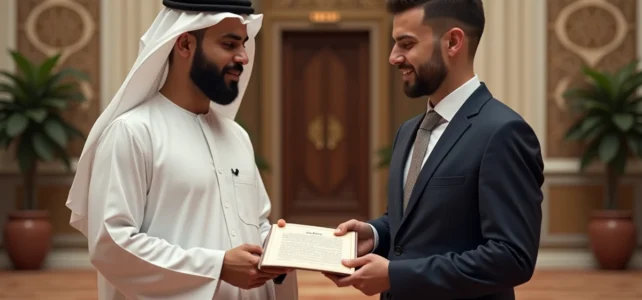
When preparing for a Muslim religious wedding, the question of the imam’s fee often arises late in the planning process. The caterer, the venue, and the decorations capture attention, while the nikah ceremony takes a back seat in terms of budget. However, the amount to budget for the officiant depends on several concrete parameters that should be anticipated.
Free donation or fixed fee: what mosques in France actually practice
Most French mosques operate on the principle of free donation. No official scale is displayed, and the imam does not set a price. You hand over an envelope after the ceremony, the amount of which is left to your discretion.
Further reading : How much does it cost to clean an apartment? Rates, tips, and things to know
This practice creates a gray area that many couples find uncomfortable. How much to give without appearing stingy or spending beyond their means? The common range is between a few dozen and a few hundred euros, depending on the region, the reputation of the mosque, and the services provided.
Some Islamic centers are beginning to adopt a different model, closer to what Catholic parishes do. The Islamic Center of Charlotte, in the United States, for example, charges a flat fee of $300 for a nikah celebrated on-site, with an additional $100 if the imam travels outside the mosque. This type of formal pricing structure remains rare in France, but it illustrates a trend towards greater transparency.
Related reading : How to Obtain an Individual Civil Status Certificate and What Is It Really Used For?
Before choosing your ceremony venue, consider finding an imam for a religious wedding in advance to compare practices among mosques in your area.
Mosque imam or independent officiant: prices and concrete differences
Have you noticed that more and more couples are turning to an independent imam rather than the one from their local mosque? This choice directly affects the budget.
An imam affiliated with a local mosque generally costs less. The donation covers his service in a setting he knows, without travel expenses. The ceremony follows a classic format: recitation of verses from the Quran, verification of the spouses’ consent, reminder of marital rights and duties in Islam.
An independent officiant, on the other hand, often offers a more personalized service. He may travel to a reception hall, adapt the proceedings, speak multiple languages, or incorporate custom elements into his speech. This flexibility comes at a higher cost, which includes travel, preparation, and sometimes a prior meeting with the couple.
Factors that affect the final amount
- The location of the ceremony: at the mosque, the cost remains modest. In a private hall or at home, the imam often charges an additional fee for travel and logistical adjustments.
- The duration and content: a simple twenty-minute nikah does not cost the same as a one-hour ceremony including a personalized sermon and advice for the couple.
- The time of year: between May and September, demand skyrockets. Booking an imam several months in advance avoids price increases and ensures availability.
- The region: in Île-de-France, prices tend to be higher than in the provinces, as is the case for most wedding service providers.
Actual weight of the imam in the overall budget of a Muslim wedding
The cost of the religious officiant represents a very minor part of the total budget. The caterer, venue rental, and decorations account for the majority of expenses. The nikah ceremony, even with an independent imam, remains one of the least expensive items in the organization.
This reality leads some couples to neglect the choice of the imam. They spend little time researching, even though the quality of the ceremony directly depends on the officiant. An imam who knows the couple, who takes the time to prepare his intervention, transforms an administrative moment into a memorable memory.
Rather than cutting back on this item, it is better to make adjustments elsewhere. A competent and well-paid imam offers a smooth ceremony, respectful of traditions, and tailored to your story. The value for money is often better than that of an extra tiered cake.

Dower, contract, and additional fees: what the imam does not cover
The nikah is not limited to the imam’s service. Several peripheral elements can generate additional costs that couples forget to anticipate.
The dower (mahr) is a distinct religious obligation from the payment to the imam. Its amount, set between the spouses and the family, varies considerably. It can take the form of a sum of money, a piece of jewelry, or a material good. It is not a ceremony expense, but a contractual commitment between the married couple.
The religious marriage contract itself may require the presence of two Muslim witnesses and the guardian (wali) of the bride. If these individuals need to travel, their transportation costs add to the budget. Some mosques also request a contribution for the use of their premises, independent of the donation to the imam.
Points to check before committing
- Ask if the donation to the imam includes the preparation of the religious marriage certificate or if a separate document is charged.
- Clarify the travel conditions: maximum distance covered, possible mileage fees.
- Ensure that the civil marriage has been celebrated at the town hall beforehand, as the religious marriage has no legal value in France without this step.
The budget allocated to the imam and the nikah remains modest compared to other items in a Muslim wedding. The issue is not so much financial as relational: taking the time to meet the officiant, discuss the proceedings, and ensure that he meets your expectations matters more than the amount of the envelope.