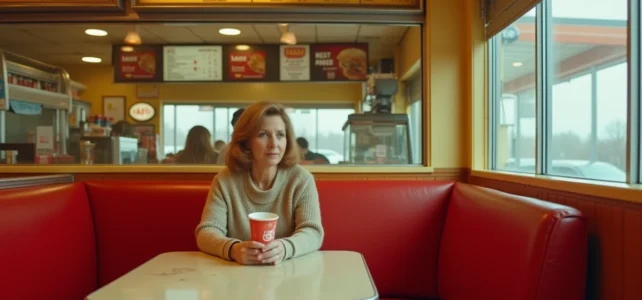
Flunch, Courtepaille, Pizza Hut, Wimpy: these brands have fed generations of French people before fading from the urban landscape. Their disappearance is not merely a market whim. It reflects profound changes in consumption habits, the economic models of chain restaurants, and the real estate pressure on commercial areas.
Judicial recoveries in cascade: the Baudaire signal in 2026
The most recent case illustrates the fragility of the model. The Baudaire group, based in Saint-Barthélemy-d’Anjou, was placed in judicial recovery on June 25, 2026. A week later, all of its subsidiaries followed: Courtepaille, La Boucherie, Poivre Rouge, Le Kiosque du Boucher, Constant, Bistrot du Boucher.
You may also like : Who is still allowed to use glyphosate in France in 2024?
CHR Leaders presents this situation as a wake-up call for all chain restaurants. It is not an isolated brand that is faltering, but an entire group that brings together several brands that were once omnipresent along roadsides and on the outskirts of cities.
When discussing disappeared restaurant chains in France, people often think of brands from the 1980s or 1990s. The Baudaire file shows that the phenomenon remains active and now affects networks that still had dozens of restaurants in operation.
Related reading : Find out how many Air France miles are needed to book a free flight
Courtepaille, founded on the concept of visible grilling and roadside stops, had already gone through turbulence. Le Dauphiné Libéré reports that several locations have changed hands or closed permanently in recent years. The accumulation of recoveries within the same group raises questions about the viability of the “chain restaurant in suburban commercial area” format.
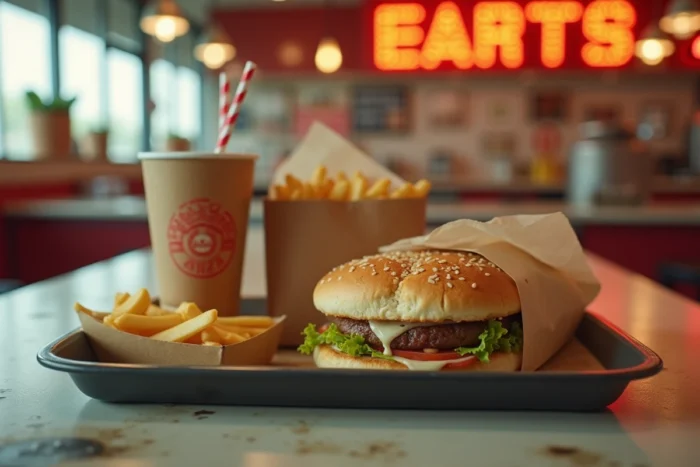
Flunch and the end of the mass cafeteria model
The decline of Flunch is not new, but the period from 2024 to 2026 accelerates the movement. Ouest-France documents a series of closures in the West: Angers, Nantes, Saint-Brieuc, with judicial liquidation proceedings beginning in July 2026 for several establishments.
Marmiton emphasizes that the historical concept of large cafeteria in shopping malls is losing momentum. The French park is gradually shrinking, with more and more restaurants closing.
What disappears with Flunch goes beyond the simple meal tray. It is a family ritual on Saturdays, linked to shopping at hypermarkets. The decline of large peripheral supermarkets mechanically leads to the decline of cafeterias that relied on their foot traffic.
Why the cafeteria no longer attracts
Several factors are at play:
- Foot traffic in traditional shopping centers is declining in favor of e-commerce and new-generation retail parks, which favor fast food or food courts.
- The “all-you-can-eat self-service” format suffers from rising material costs. Margins, already low, become difficult to sustain when the prices of vegetables, meat, and energy increase simultaneously.
- Consumer expectations have shifted towards offers perceived as more qualitative or more identity-driven: artisanal burgers, poke bowls, market cuisine.
The mass cafeteria finds itself caught between fast food, which is cheaper, and independent restaurants, perceived as more authentic.
Pizza Hut, Wimpy, FreeTime: brands erased by competition
Some disappearances are older but shed light on similar mechanisms. Pizza Hut has closed almost all of its dine-in restaurants in France, retaining only a marginal delivery operation. Ouest-France reports the permanent closure of the Fougères restaurant, among the last of the classic format.
The Pizza Hut case illustrates a common trap: an international brand that does not adapt its model to the local market. In France, artisanal pizza benefits from a dense network of independent pizzerias and chains like Del Arte or La Boîte à Pizza, making the standardized offer less attractive.
Wimpy, present in France in the 1970s and 1980s, disappeared in the face of the rise of McDonald’s and Burger King. FreeTime, which offered a leisure-dining concept, did not survive the operating costs of its large spaces.
The weight of the format in failure
A common point connects these disappearances: spaces that are too large for average tickets that are too low. A Flunch or Courtepaille restaurant occupies several hundred square meters. When revenue per square meter drops, rent and expenses become the primary source of loss.
The brands that resist (McDonald’s, Burger King) have optimized their formats: drive-thrus, reduced counters, ordering at kiosks. The disappeared chains did not make this transition in time.
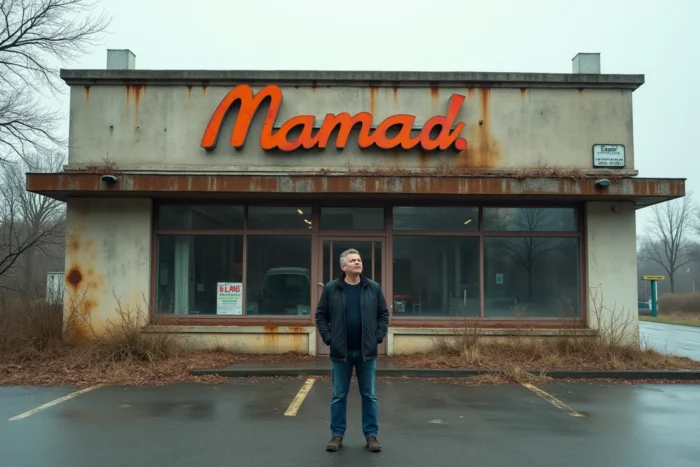
Nostalgia and dining: an ambiguous commercial lever
The nostalgia associated with these brands is real. Online discussion threads are filled with memories: the Flunch vegetable buffet, the visible grilling at Courtepaille, the children’s menu with a toy. These memories are often linked to childhood and family outings from the 1980s and 1990s.
Some entrepreneurs are trying to capitalize on this memory. The concept Les Fils à Maman, for example, builds its entire identity around culinary nostalgia, with recipes inspired by cafeteria dishes and childhood snacks. However, no disappeared brand has successfully made a true comeback in France.
Nostalgia works as a marketing argument, but it is not enough to rebuild an economic model. Consumers who miss Flunch are not necessarily ready to return if the concept reopened in the same way. The memory embellishes the experience, and the reality of the self-service tray, under shopping mall lighting, no longer meets current expectations.
The Baudaire group, the gradual liquidation of Flunch, the closure of the last dine-in Pizza Huts: these recent events show that the cycle of disappearances is not over. French chain restaurants continue to lose brands, and the coming years will likely see other familiar names fade from commercial areas and roadsides.